
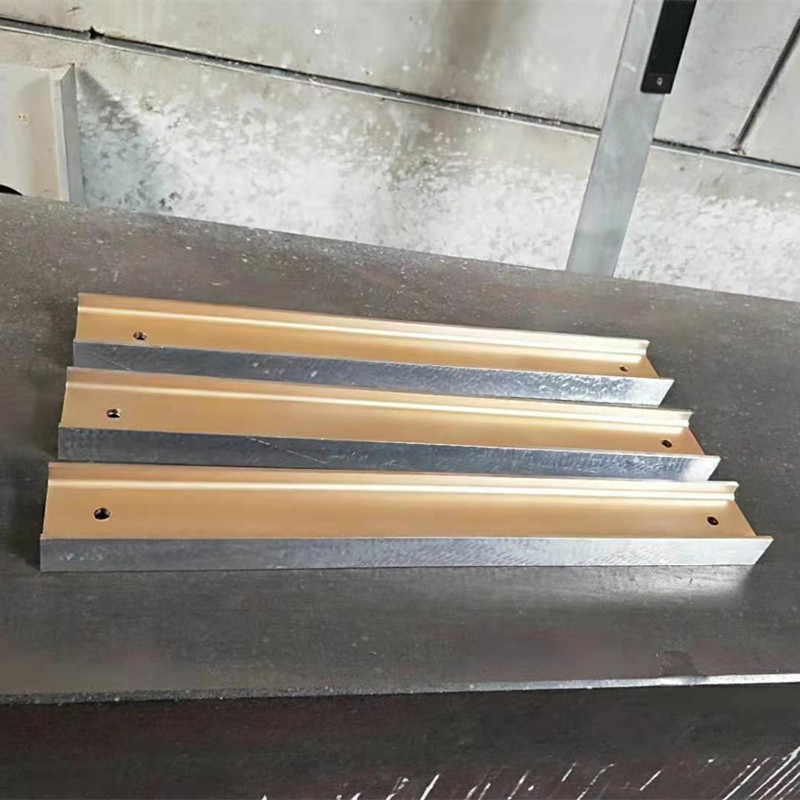
clear acid etched glass
Understanding Surface Plates Precision Tools for Measurement and Machining In the world of manufacturing and engineering, precision is paramount. One of the tools that plays a crucial role in achieving extraordinary precision is the surface plate. Surface plates are flat, often rectangular, structures used as a reference in the mechanical and manufacturing industries. They are primarily made from granite, cast iron, or composite materials and serve as an ideal base for measuring and inspecting workpieces. The Purpose of Surface Plates Surface plates are designed to provide a stable and flat reference surface on which measurements can be taken or machining operations performed. Their primary purpose is to ensure accuracy and repeatability in measurements. When parts are being manufactured, even the smallest deviation from specified dimensions can lead to significant issues in performance and quality. Surface plates help to mitigate these problems by offering a reliable reference point. During inspections, surfaces plates allow engineers and quality control analysts to determine whether a part meets the necessary specifications. Using precision instruments such as micrometers, calipers, and height gauges, technicians can make accurate measurements against the flat, stable surface provided by the plate. This consistent reference is essential in achieving quality assurance in production lines. Types of Surface Plates Surface plates come in various materials, each offering specific advantages and suitability for different applications 1. Granite Surface Plates Granite is the most commonly used material for surface plates due to its natural ability to retain flatness and stability over time. Granite plates are resistant to scratches, wear, and temperature changes, making them perfect for precision work in any environment. 2. Cast Iron Surface Plates Cast iron plates are durable and provide good stability. They can be found in foundries and workshops where heavy machinery is used. However, they are more susceptible to rust and require regular maintenance to keep them functional. 3. Synthetic Surface Plates Made from composite materials, synthetic plates are lightweight and resistant to thermal expansion. They can be a great alternative for specialized applications, where weight savings are critical or where work is performed in non-traditional environments. surface plate Key Features of Surface Plates When selecting a surface plate, several features must be considered to ensure it suits specific needs - Flatness The primary criterion for a surface plate is its flatness. Manufacturers often provide specifications that define the allowable flatness tolerances. The flatter the plate, the more accurate the measurements taken on it will be. - Size Surface plates are available in various sizes. The choice of size depends on the types of workpieces being measured or machined. A larger plate may be required for larger components, while smaller plates can suffice for precise work on smaller items. - Durability Depending on the operational environment, surface plates should be durable enough to withstand the conditions they will face. For instance, a shop exposed to oil, cooling fluids, and heat may call for plates that can resist corrosive materials. - Portability In some applications, the need for portability is essential. Portable surface plates are readily available and often made from lighter materials, allowing for easy transportation between workspaces. Maintenance of Surface Plates To ensure long-term accuracy, surface plates require proper maintenance. Regular cleaning to remove dust, debris, or oil is essential, as any contaminants can affect measurement readings. Additionally, periodic checks for flatness and any signs of wear will help maintain optimal functionality. In conclusion, surface plates are indispensable tools in the realm of precision engineering, providing a reliable reference for measurements and machining. Their contributions extend far beyond simple measurement; they play a pivotal role in ensuring quality and precision across various manufacturing processes. Selecting the right type of surface plate for specific applications can significantly enhance effectiveness, leading to improvements in overall product quality and customer satisfaction.
about
clear acid etched glass
Understanding Dial Snap Gauges Precision in Measurement Dial snap gauges are essential tools used in various industries for measuring the thickness, diameter, or other dimensions of a workpiece. Their simplicity and precision make them invaluable in quality control and manufacturing processes. In this article, we will explore the features, applications, and advantages of dial snap gauges, highlighting why they are a preferred choice for many professionals. What is a Dial Snap Gauge? A dial snap gauge consists of a measuring head with a dial indicator attached. The measuring head typically features two parallel surfaces that are used to make contact with the workpiece. The dial indicator displays the measurement, allowing users to read values with high accuracy. These gauges can measure both internal and external dimensions, making them versatile tools in machining and assembly. Key Features of Dial Snap Gauges 1. Ease of Use Dial snap gauges are designed for quick and easy measurements. Users can simply align the gauge with the workpiece, apply gentle pressure, and read the measurement from the dial. This efficiency is crucial in high-paced manufacturing environments. 2. High Precision One of the standout features of dial snap gauges is their accuracy. They can provide measurements to the nearest thousandth of an inch or hundredth of a millimeter, depending on the design. This level of precision is essential in industries where even minor deviations can have significant consequences. 3. Durability Made from high-quality materials, dial snap gauges are built to withstand the rigors of industrial use. Their robust construction ensures longevity and reliability, making them a smart investment for businesses. 4. Variety of Sizes and Types Dial snap gauges come in various sizes and styles to accommodate different measurement needs . Whether measuring small components in electronics or large parts in automotive manufacturing, there is a dial snap gauge suitable for the task. dial snap gauge Applications of Dial Snap Gauges Dial snap gauges are versatile tools used across numerous industries. Some of the primary applications include - Manufacturing Used extensively in machining operations to ensure parts are manufactured to specified tolerances. - Quality Control QC departments utilize dial snap gauges to verify the dimensions of finished products, ensuring compliance with industry standards. - Engineering Engineers often use these gauges during prototyping to check the dimensions of components and ensure they function as intended. - Automotive and Aerospace In these industries, where safety and precision are paramount, dial snap gauges play a critical role in component inspections. Advantages Over Other Measurement Tools While there are various measuring instruments available, dial snap gauges offer several advantages - Immediate Readings Unlike digital calipers that require calibration, dial snap gauges provide instantaneous readings, enhancing productivity. - No Batteries Required Unlike electronic measuring tools that depend on battery power, dial snap gauges are purely mechanical. This eliminates concerns about battery life, ensuring reliable performance at all times. - Cost-Effective Dial snap gauges are often more affordable than electronic counterparts while still providing high precision, making them an economical choice for many businesses. Conclusion In summary, dial snap gauges are indispensable tools in the realm of precision measurement. Their ease of use, accuracy, and durability make them suitable for a wide range of applications in manufacturing, engineering, and quality control. As industries continue to evolve and demand higher precision, the role of dial snap gauges will remain vital for ensuring that products meet stringent standards. For anyone involved in machining or quality assurance, investing in a dial snap gauge is a step towards achieving excellence in measurement.
-

High quality industrial productsagement

High quality industrial products
View Details -

Meet the diverse needs of customers

Meet the diverse needs of customers
View Details -

Strict quality control

Strict quality control
View Details -

Top raw materials

Top raw materials
View Details -

Trusted supplier

Trusted supplier
View Details
Our application

news and information

y type strainer
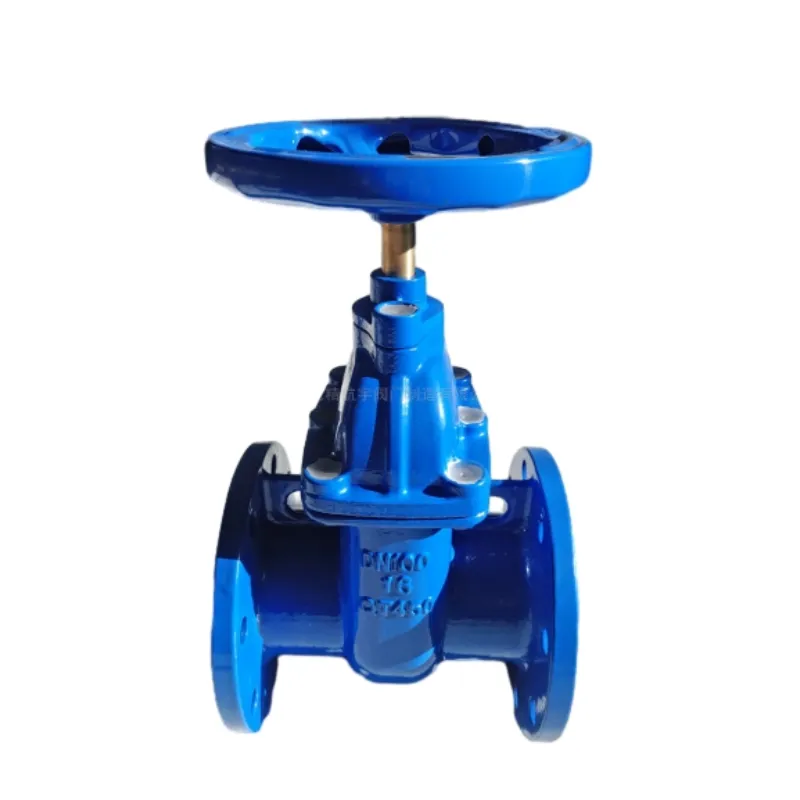
In the realm of industrial applications, the 3-flanged gate valve remains an indispensable component
Vòng vít đo
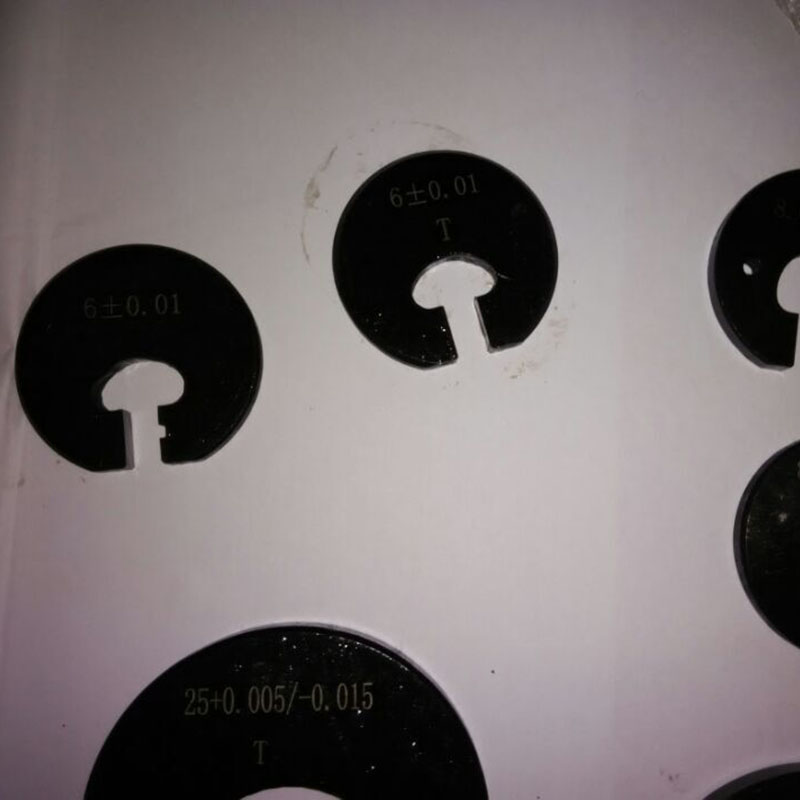
Đồ đo độ dày của vòng và vít Công cụ thiết yếu trong ngành công nghiệp Trong ngành công nghiệp hiện

Water Meter Shutdown Valve Installation and Maintenance Guide for Homeowners
Understanding Water Meter Shut-Off Valves Importance, Functionality, and Maintenance In residential
 English